
OEM vs ODM watch manufacturing is an important consideration for businesses planning to launch, customize, or expand their own watch collections. Whether you are an established watch brand, a wholesaler, an e-commerce seller, or a startup entrepreneur, choosing the right manufacturing model can directly influence your product design, development costs, production process, and brand identity.
Both OEM and ODM manufacturing provide opportunities to create customized watches, but they differ in how products are designed, developed, and manufactured. Understanding these differences will help you select the right manufacturing solution for your business.
In this guide, we explain OEM vs ODM watch manufacturing, compare their key features, and help you decide which model is more suitable for your next watch project.
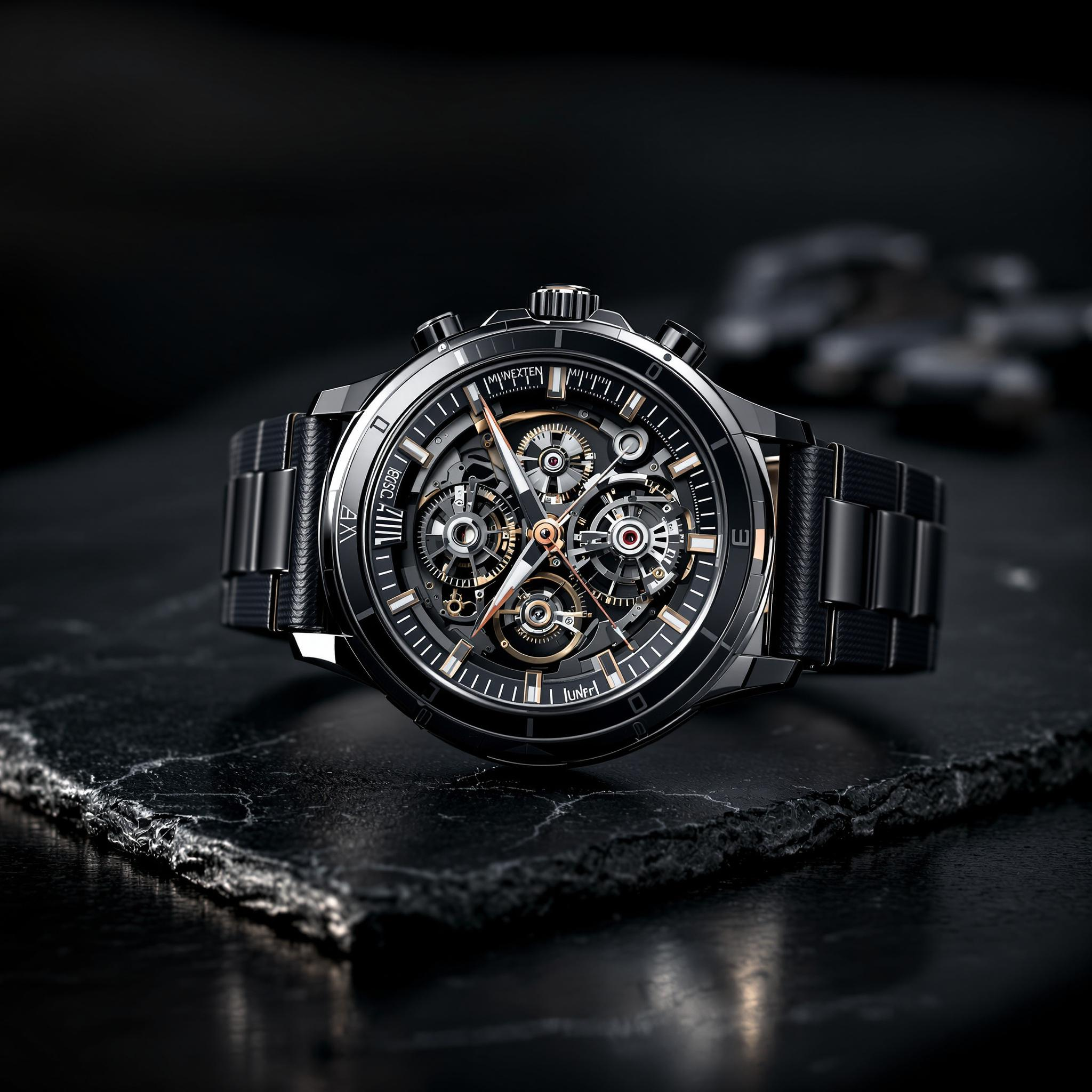
1. What Is OEM Watch Manufacturing?
OEM stands for Original Equipment Manufacturing. In the watch industry, OEM manufacturing generally means producing watches according to a customer’s specifications, designs, or customization requirements.
With OEM watch manufacturing, brands have greater control over the product’s appearance and specifications. Depending on the project, customers can provide their own designs or select an existing watch style and customize it to match their brand identity.
Common OEM customization options include:
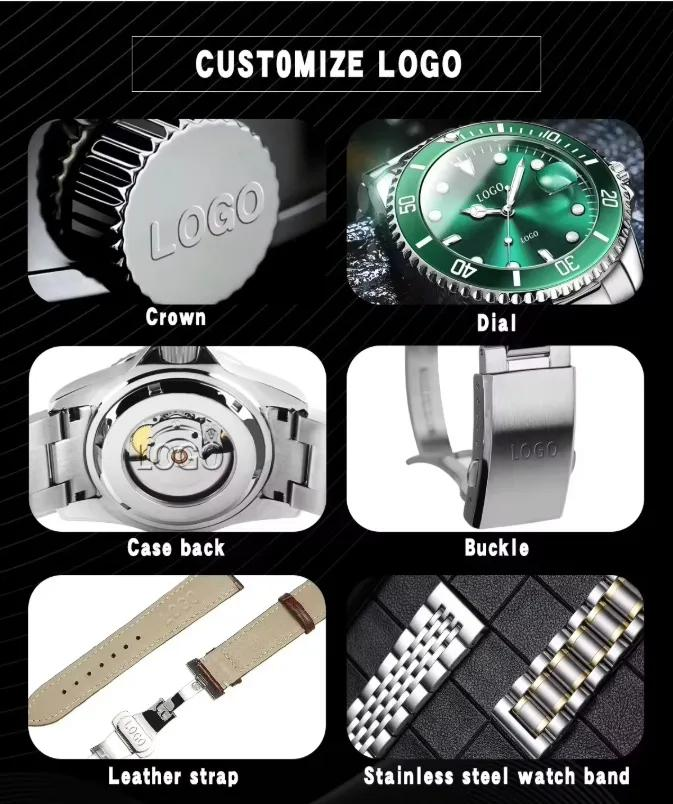
- • Logo Customization: Add your brand logo to the dial, case back, crown, buckle, and other components.
- • Case Design: Customize case dimensions, shapes, materials, and surface finishes.
- • Dial Customization: Select dial colors, indexes, hands, patterns, and other details.
- • Movement Selection: Choose suitable automatic, mechanical, or quartz movements.
- • Strap Options: Customize leather, stainless steel, rubber, and other strap materials.
- • Packaging: Develop customized boxes, labels, and presentation materials.
OEM manufacturing is suitable for businesses that already have a clear product concept, technical requirements, or existing designs they want to bring into production.
2. What Is ODM Watch Manufacturing?
ODM stands for Original Design Manufacturing. This model allows businesses to work with a manufacturer’s design and engineering team to develop original watch products.
Unlike OEM projects where customers may provide detailed product specifications, ODM manufacturing offers more design support throughout the development process.
A professional ODM watch manufacturer can help transform an initial idea, reference image, or brand concept into a complete watch design.
Typical ODM development services include:
- • Market and product trend research.
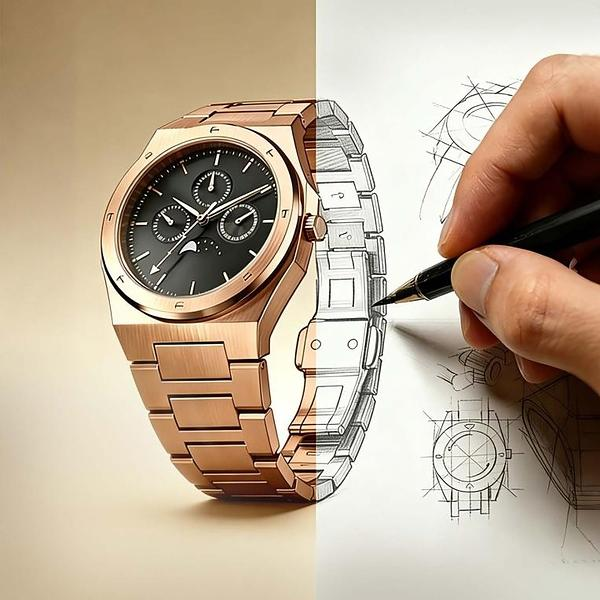
- • Initial design concepts and sketches.
- • Watch appearance and structural development.
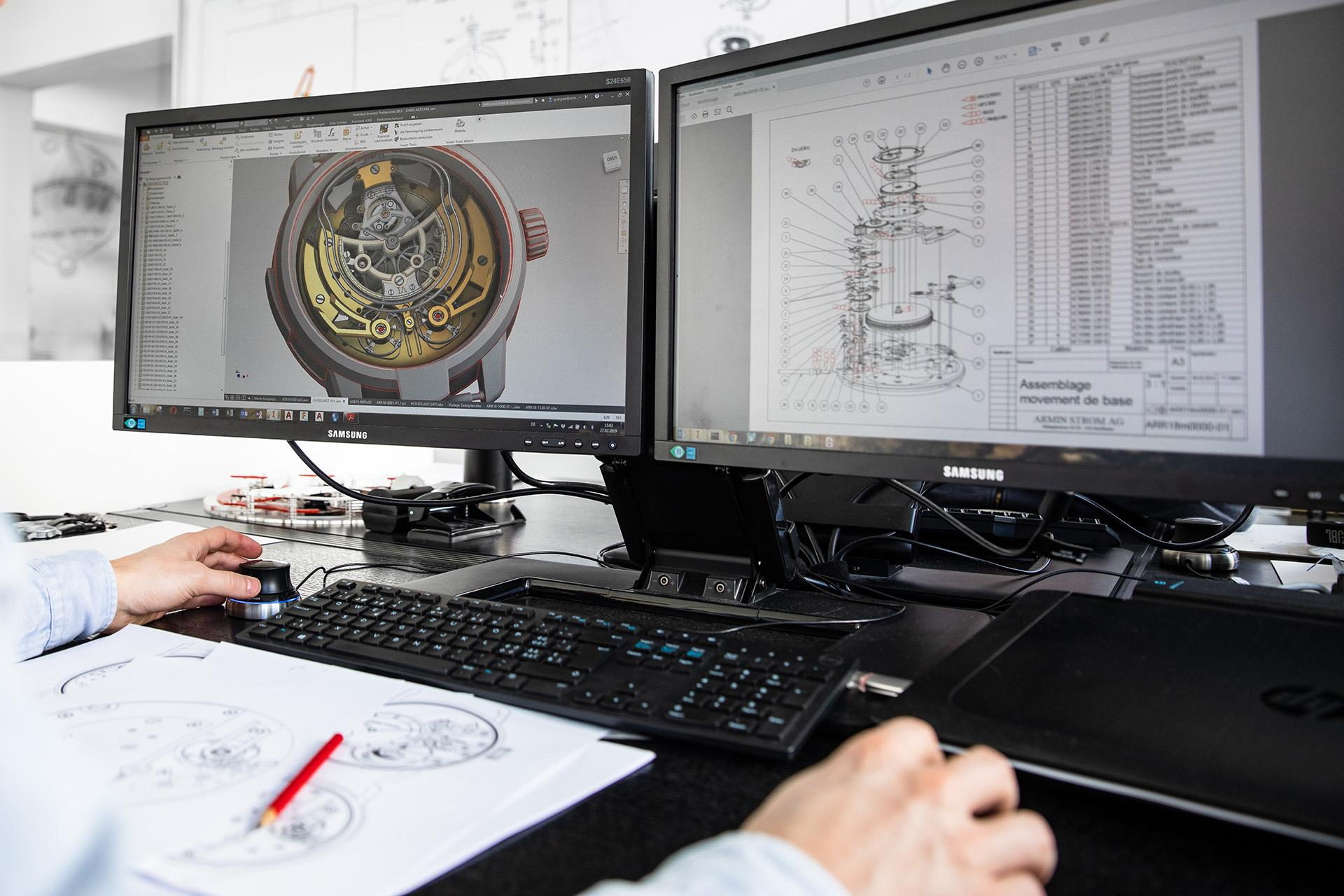
- • 2D technical drawings.
- • 3D modeling and product visualization.
- • Material and movement recommendations.
- • Prototype development and design adjustments.
ODM manufacturing is particularly suitable for startups, entrepreneurs, and brands that want to develop distinctive watch collections but do not have an in-house product design or engineering team.
3. OEM vs ODM Watch Manufacturing: Key Differences
Although both manufacturing models can produce customized watches, they differ in design responsibility, development support, and project workflow.
| Comparison | OEM Manufacturing | ODM Manufacturing |
|---|---|---|
| Design Source | Customer’s design or selected existing styles | Manufacturer’s design and development support |
| Design Control | Primarily customer-led | Collaborative with manufacturer |
| Development Support | Based on project requirements | Includes concept and design assistance |
| Customization | Logos, materials, components, and specifications | Original design development and customization |
| Technical Drawings | Customer-provided or jointly developed | Developed with manufacturer support |
| Prototyping | Based on approved specifications | Follows the ODM design and development process |
| Best For | Established brands and businesses with clear designs | Startups and brands needing design support |
The main difference is the starting point of the project. OEM typically begins with a customer’s product requirements, while ODM can begin with an idea and develop it into a manufacturable watch design.
Neither model is universally better. The right choice depends on your resources, design requirements, budget, and business objectives.
4. OEM vs ODM: Which Manufacturing Model Should You Choose?
Choosing between the two models depends on your current business situation.
Choose OEM Watch Manufacturing if:
- You already have a complete watch design.
- Your brand has established product specifications.
- You want precise control over materials and components.
- You need to customize existing watch styles.
- You have an experienced product development team.
Choose ODM Watch Manufacturing if:
- You are starting a new watch brand.
- You have creative ideas but no technical drawings.
- You need professional design and engineering support.
- You want to develop a distinctive watch collection.
- You prefer working with a manufacturer throughout the design process.
For some businesses, a combination of both models may be the best solution. For example, you can start with ODM development for your first collection and later use OEM manufacturing to produce updated models based on your approved designs.
5. From Design to Production: How Does the Watch Manufacturing Process Work?
Whether you choose OEM or ODM, a well-organized manufacturing process is essential for achieving consistent product quality.
Step 1: Project Consultation
Discuss your target market, brand positioning, product concept, estimated quantity, budget, and technical requirements.
Step 2: Design and Specification Confirmation
Finalize the case, dial, movement, hands, strap, materials, dimensions, and other product details.
Step 3: Engineering and Prototyping
Develop technical drawings and 3D models where required, followed by prototype production and design adjustments.
Step 4: Sample Approval
Evaluate the sample’s appearance, functionality, finishing, assembly, and performance against the approved specifications.
Step 5: Mass Production
After sample approval, proceed with production according to the confirmed order requirements and agreed schedule.
Step 6: Quality Inspection and Delivery
Conduct the agreed quality inspections, final assembly checks, packaging, and shipment arrangements.

6. What Factors Affect OEM and ODM Watch Manufacturing Costs?
The cost of a custom watch project depends on several factors. There is no universal price for either manufacturing model.
Important cost considerations include:
- Watch Movement: Automatic, mechanical, and quartz movements have different cost structures.
- Case Materials: 316L stainless steel, titanium, bronze, carbon fiber, and other materials affect material and processing costs.
- Product Complexity: Skeleton structures, special case shapes, and intricate dial designs may require additional engineering and manufacturing work.
- Customization Level: Custom molds, components, surface treatments, and special packaging can increase development costs.
- Order Quantity: Production quantities and component purchasing arrangements influence unit costs.
- Development Requirements: Design work, technical drawings, and prototypes may involve additional project expenses.
Before starting a project, request a detailed quotation and clarify sample costs, minimum order quantities (MOQ), payment terms, production lead times, and quality requirements.
7. Why Choose AIERS for OEM and ODM Watch Manufacturing?
Choosing an experienced manufacturing partner is an important step in developing a successful watch collection.
Established in 2005, AIERS Watch Co., Ltd. specializes in watch design, research and development, manufacturing, and OEM/ODM solutions for international brands and businesses.
AIERS provides support throughout the watch development process, including:
- OEM customization based on existing styles or customer specifications.
- ODM design services, including concept development, sketching, and 3D modeling.
- Logo customization on dials, cases, crowns, case backs, movements, and buckles.
- Material options including 316L stainless steel, titanium, bronze, carbon fiber, sapphire crystal, and other materials.
- CNC machining, polishing, brushing, sandblasting, and manual assembly.
- Sample development, prototyping, and production quality control.
Our goal is to help businesses turn their product concepts into practical watch collections through professional design and manufacturing support.
Conclusion: Find the Right Watch Manufacturing Solution for Your Brand
Understanding OEM vs ODM watch manufacturing helps you make better decisions when developing your own watch products.
OEM is generally suitable for businesses with established designs and clear product specifications, while ODM is a practical option for brands that need professional design and development support.
Both approaches can help you build a distinctive watch collection when supported by the right manufacturing expertise, technical capabilities, and quality management.
Ready to Develop Your Own Watch Collection?
Whether you have a finished design or just an initial idea, AIERS is ready to discuss your project.
Contact our team to explore OEM and ODM solutions, discuss your customization requirements, and take the next step toward developing your watch collection.
AIERS – Your Professional Watch OEM & ODM Manufacturing Partner.
Post time: Nov-19-2026


